- Specialist traditional lime work
- Historic, listed & period buildings
- Based near Newport — South Wales & the West
- Fixed written quotes after inspection
The problem with modern materials
Old buildings need materials that understand them.
Solid-walled historic buildings were designed to breathe. Hard cement renders and gypsum plasters trap moisture against soft, original fabric — leading to damp, decay and expensive damage.
Traditional lime-based systems move with the building, let it dry out, and can be repaired in place — protecting original character rather than sealing it away.

Featured project
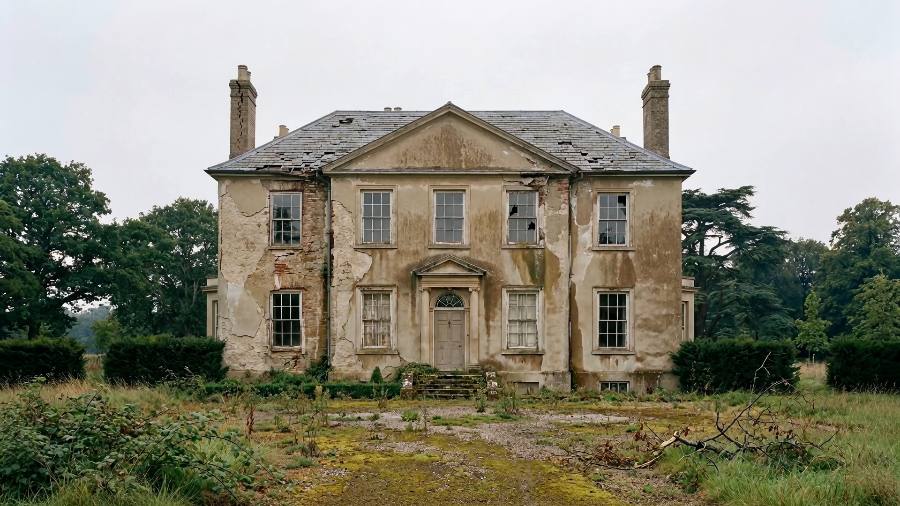
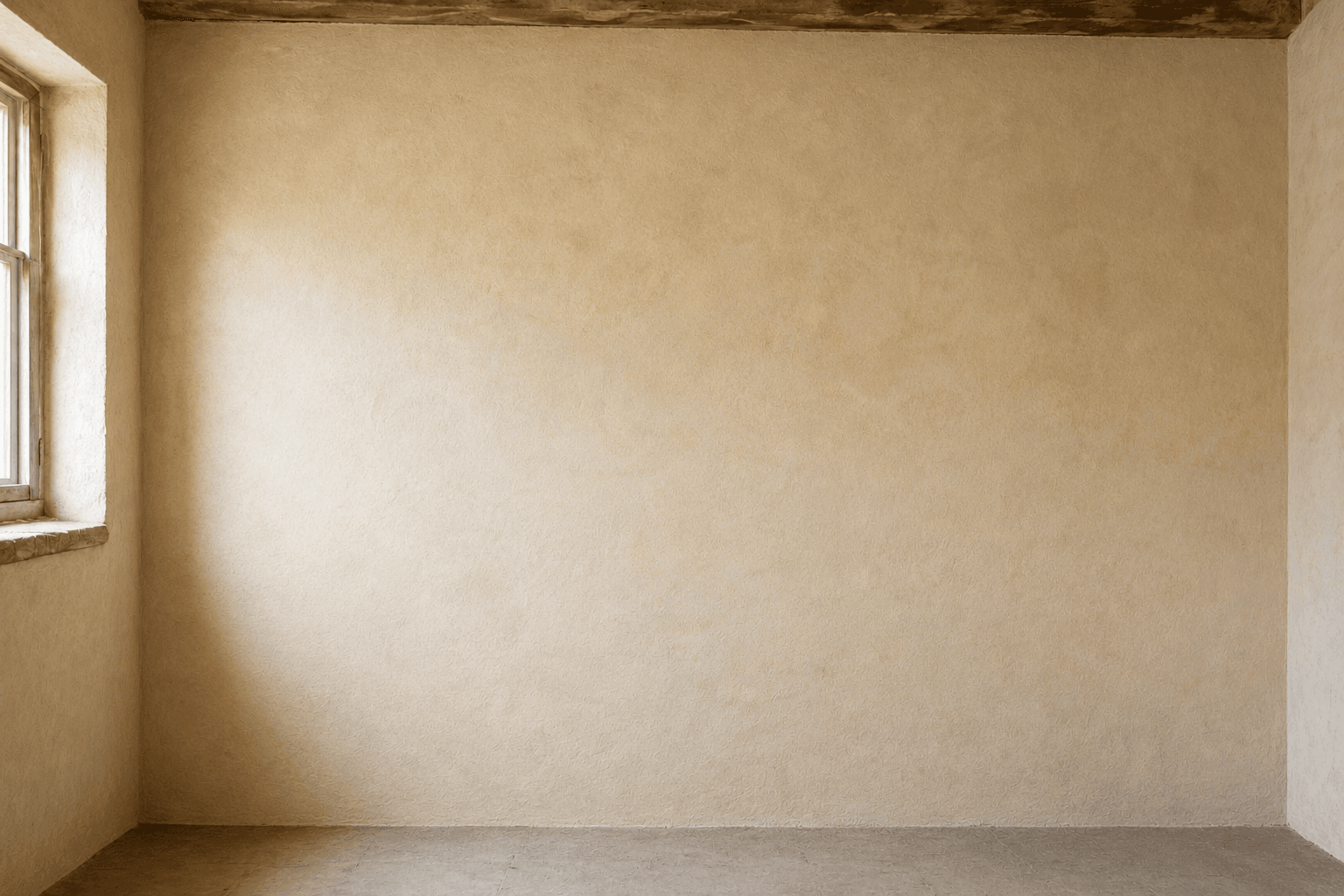
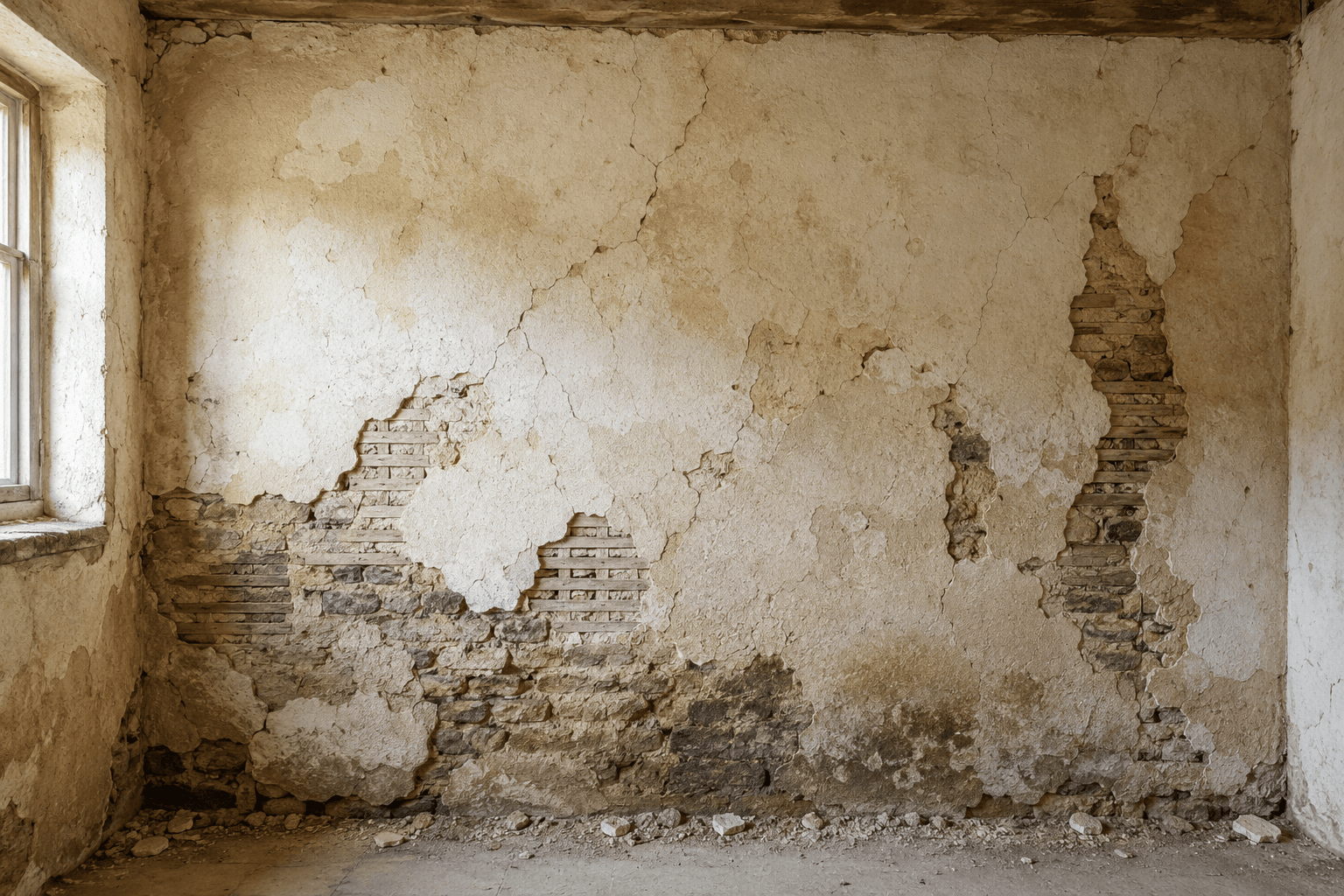
Grade II Listed Farmhouse
Challenge
Failing cement render had trapped moisture behind the walls, accelerating decay in the original solid-wall fabric.
Approach
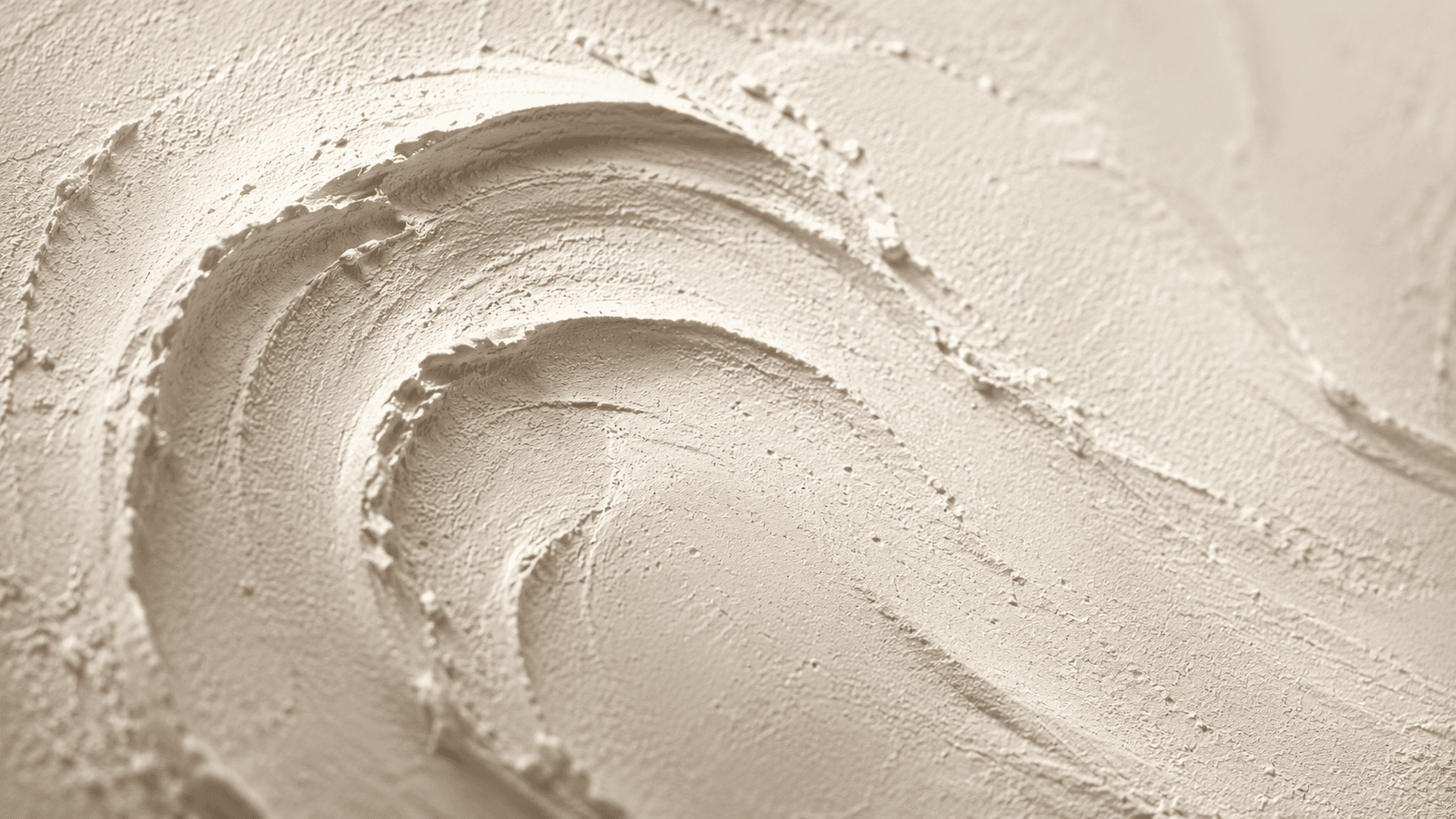
Careful removal of the cement, thorough preparation, and a fully breathable lime render system applied and finished by hand.
Outcome
Original character preserved, moisture free to move, and the building protected for the century ahead.
Expertise
Considered work, in the right materials.
Heritage plastering
Sympathetic finishes that match the age and character of the building.
Traditional lime plastering
Hand-applied lime plaster built up in coats, the traditional way.
Lime render
Breathable external render for solid-wall buildings.
Listed building restoration
Conservation-led work on protected buildings.
Historic building restoration
Whole-fabric restoration of period properties.
Conservation repairs
Minimal-intervention repairs that respect original fabric.
Lime plaster & render repair
Patching, consolidating and re-finishing failing lime work.
Why lime & breathable materials
Made to breathe. Built to endure.
Lime is a fundamentally different material to modern cement and gypsum. Its qualities are exactly what an old building needs to stay healthy over time.
- 01
Moisture movement
Lets water vapour pass through rather than trapping it.
- 02
Compatibility
Works with soft, historic solid-wall construction.
- 03
Flexibility
Accommodates the natural movement of an old building.
- 04
Repairability & ageing
Can be patched in place and ages gracefully over decades.
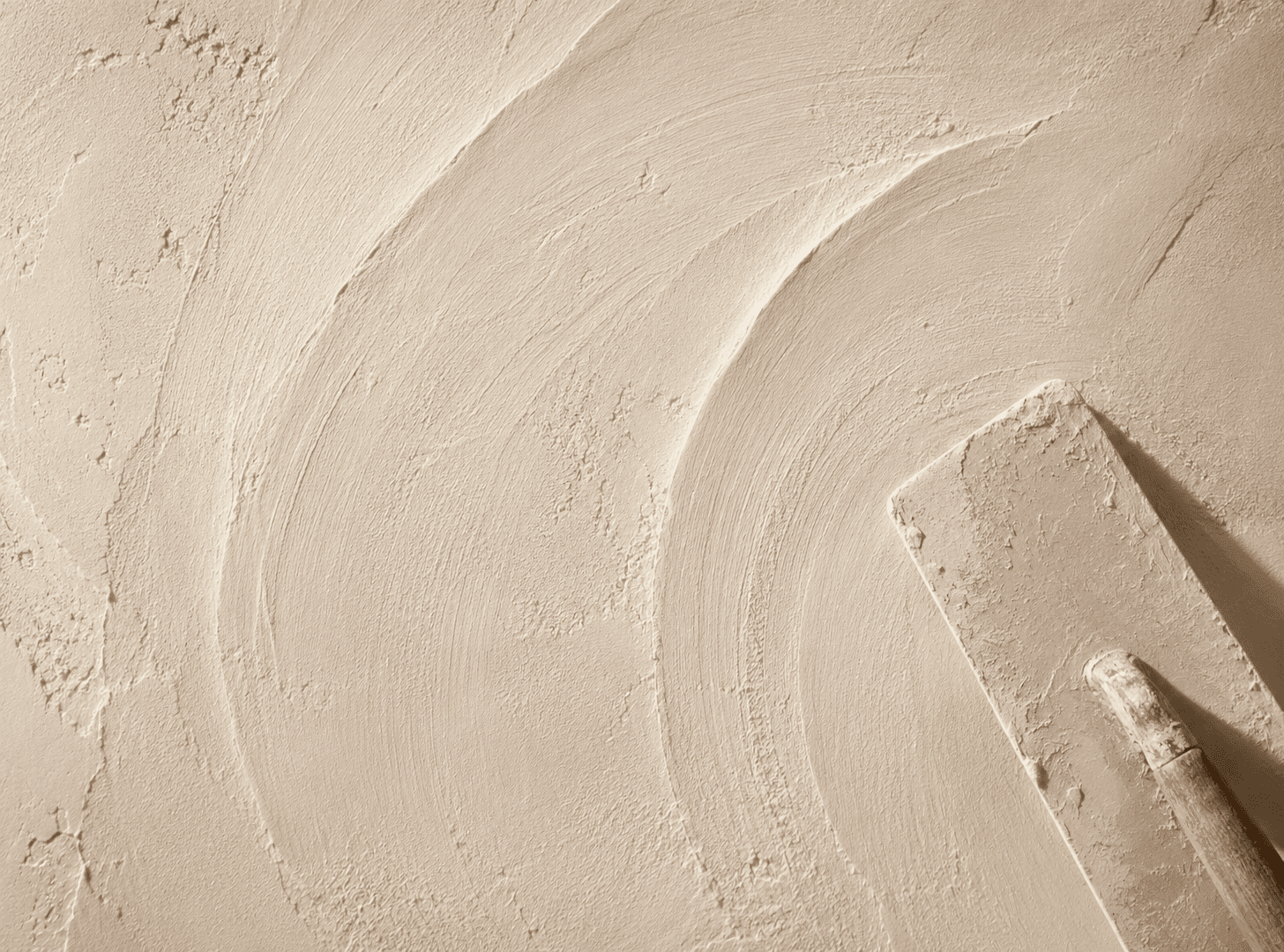
The process
Restoration is a craft, not a checklist.
Understand the building
We read the building first — its age, construction and how it was meant to perform.
Assess the materials
Identify what is original, what has failed, and what is causing harm.
Prepare carefully
Remove incompatible materials and prepare surfaces without damaging original fabric.
Apply compatible materials
Build up breathable lime systems suited to that specific building.
Finish by hand
Hand finishing that respects the texture and character of the original work.
Protect for the future
Guidance on care so the work lasts for generations, not seasons.
Trust & authority
Work that architects and owners can rely on.
✓
Works alongside architects & conservation professionals
Journal
Understanding old buildings.
Each guide will carry specialist attribution and a “last reviewed” date. Further planned topics: what plaster should be used in a listed building · how long lime render lasts · repairing cracked lime plaster · understanding damp in solid-wall buildings.
Common questions
Asked before every project.
Straight answers to the questions owners of period buildings ask us most. Anything else — ask below.
What is the difference between lime plaster and gypsum plaster?
Lime plaster is vapour-open: moisture in the wall passes through it and evaporates, which is how solid-wall buildings built before the 1930s were designed to stay dry. Gypsum is quicker and cheaper but traps moisture against old fabric, where it causes damp patches, salt damage and decay. In a period building, lime is almost always the right material.
Why does an old building need breathable render?
A solid wall manages rain by absorbing a little and drying out again. Breathable lime render allows that cycle to continue. Hard cement render cracks as the building moves, lets water in through the cracks, then stops it escaping — which is why so many rendered period houses suffer trapped damp behind failing cement.
Can you fix damp in a solid-wall house?
Usually, yes — by removing the causes rather than masking the symptoms. Most damp in old buildings is trapped moisture: cement render, gypsum plaster, sealed floors or failed rainwater goods. We trace where the water comes from and where it should be leaving, then reinstate breathable materials so the wall can dry.
Do you work on listed buildings?
Yes. We carry out like-for-like repair and conservation work under listed building consent, produce method statements and material specifications, and work alongside conservation officers and architects. If your building is listed, talk to us before work starts and we will help you scope it correctly.
How do quotes work?
We look at the building first — photos and a description to begin with, then a site visit for anything substantial. You then receive a fixed written quote with the scope itemised, so you know exactly what is included before any work begins. We never price a wall we have not seen.
Where we work
Rooted in the region we serve.
We work across a defined area so every project gets proper attention. Each location below will lead to a dedicated page with genuine local projects and detail.

Let’s protect another piece of history.
Tell us about the building, the materials and the work you are considering.